Sep. 07, 2026
Choosing an Embedded Barcode Scanner Engine is a product design decision, not simply a choice between two decoding labels. Procurement teams, OEM engineers, and product managers must balance barcode coverage, scan speed, integration effort, power consumption, mechanical space, reliability, and total cost. A 1D engine may be sufficient for a compact retail device, while a 2D engine may be essential for mobile payment, healthcare, logistics, and traceability applications.
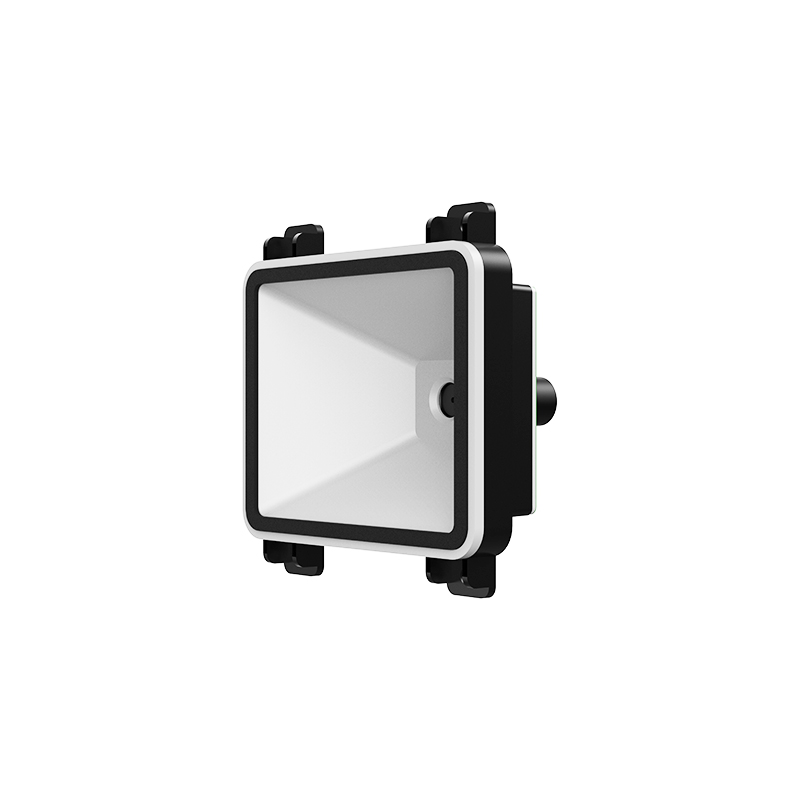
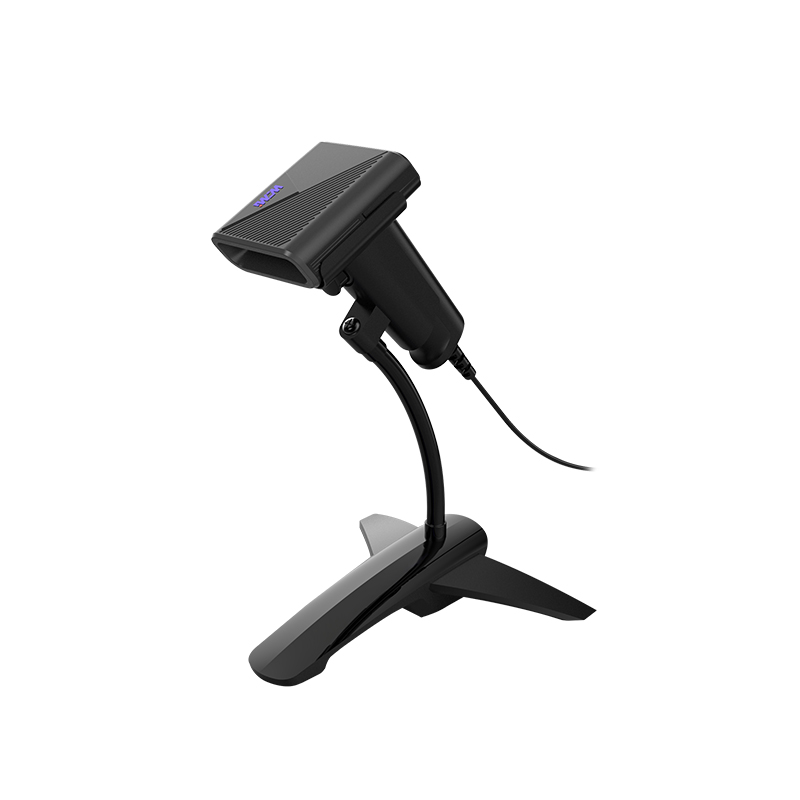
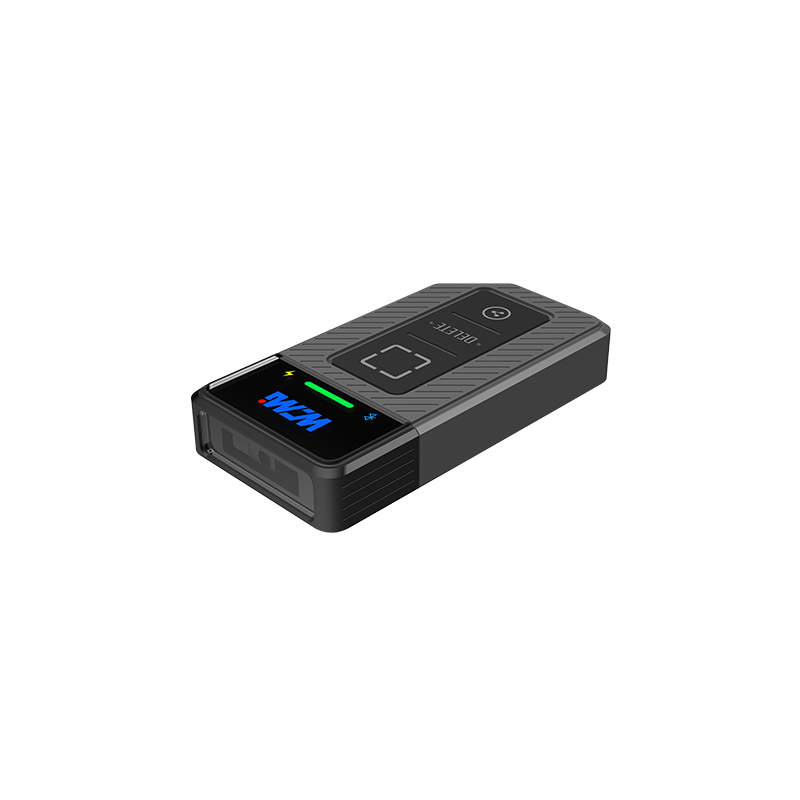
This comparison explains how embedded 1D and 2D barcode scanner engines work, where their specifications differ, what users can expect during daily operation, and which purchasing groups should select each option. WCMI develops embedded scanning solutions for manufacturers that need dependable performance in a compact product design.
Embedded 1D barcode scanner engines read barcodes that store information along one horizontal direction. Common examples include Code 128, Code 39, EAN, UPC, Interleaved 2 of 5, and Codabar.
They are often selected for applications where the barcode is printed clearly, the data payload is short, and the scanning environment is controlled. Typical examples include basic retail checkout, inventory labeling, document tracking, ticket validation, and industrial identification.
Embedded 2D barcode scanner engines use an imaging sensor and decoding software to read two-dimensional symbols such as QR Code, Data Matrix, PDF417, and Aztec. Most modern 2D engines can also decode common 1D formats, allowing one device to support mixed barcode environments.
Two-dimensional codes can store more information in a smaller area. They can contain a web address, batch number, expiration date, product identifier, patient information, or a complete transaction reference. This makes them more useful when traceability and data density are important.
The immediate application may only use 1D barcodes, but the product lifecycle may last several years. If the host device later needs to read QR codes, mobile screens, direct part marks, or high-density labels, replacing a 1D engine can be more expensive than selecting a 2D engine at the beginning.
Purchasers should therefore evaluate both current and planned barcode formats. A lower initial price does not always represent a lower total cost when a redesign, firmware change, mechanical modification, or field replacement becomes necessary.
A typical embedded 1D engine uses a laser or linear imaging method to capture the width and spacing of a barcode. The device normally requires the scan line to cross the bars at a suitable angle.
This architecture can be efficient for clean, high-contrast labels. However, the user may need to align the scan line more carefully, especially when the barcode is narrow, tilted, partially obstructed, or printed on a curved surface.
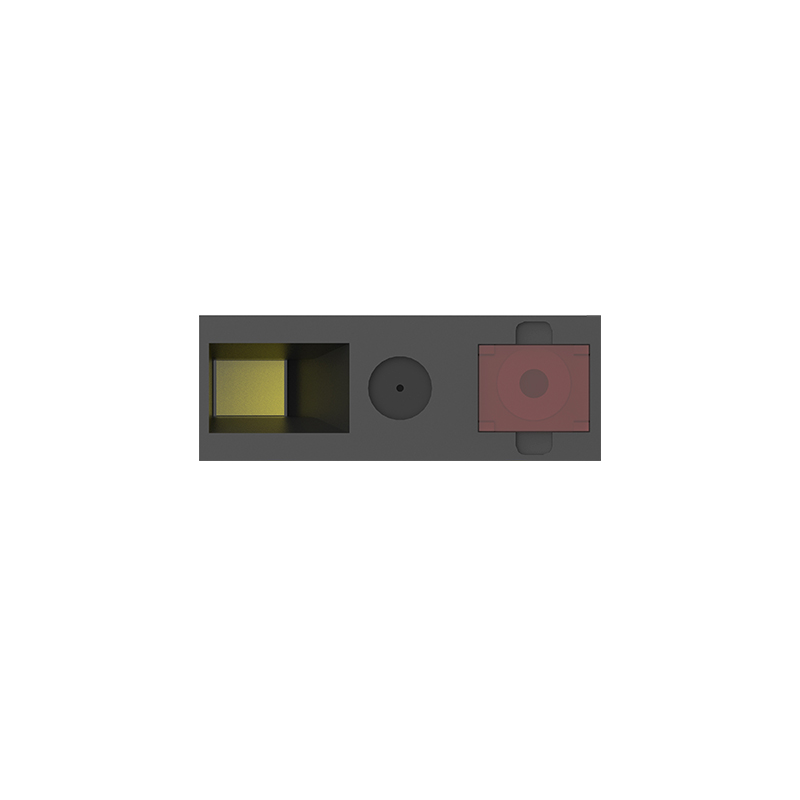
An embedded 2D engine captures an image instead of relying on a single scan line. The decoding software then identifies the symbol within the image. This allows the user to scan a code from different orientations and often reduces the need for precise alignment.
Image-based scanning is especially useful when operators scan labels from mobile phone screens, packages, cartons, documents, or irregular surfaces. The tradeoff is that the engine requires an image sensor, illumination, optics, processing capability, and decoding algorithms that may increase cost and power demand.
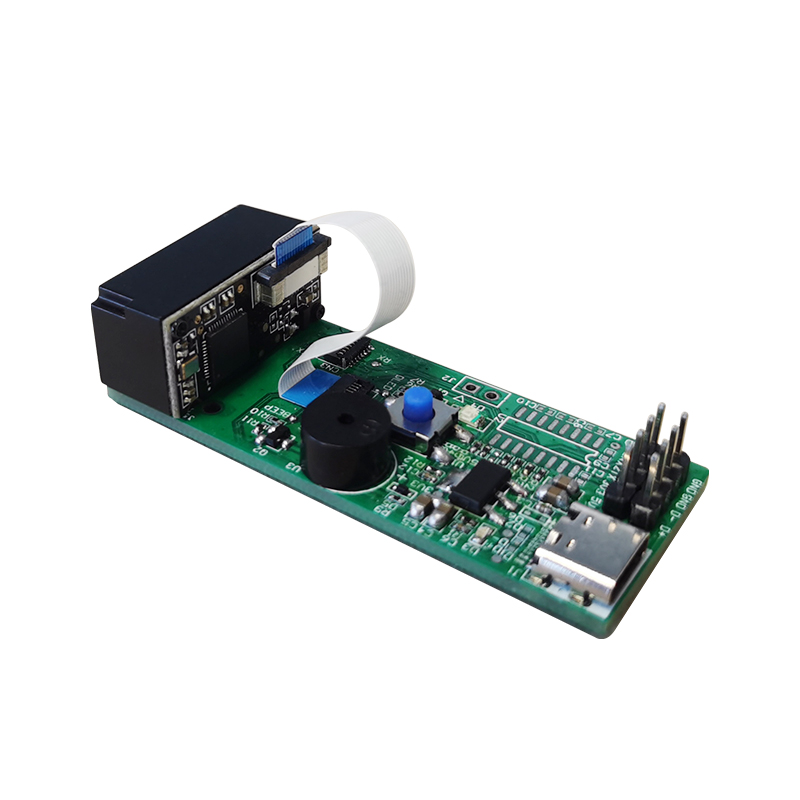
Purchasing groups frequently focus on the scan engine itself and overlook the surrounding design. A successful embedded installation also depends on the host processor, communication interface, window material, optical opening, trigger method, lighting control, firmware, and mechanical mounting.
| Parameter | Embedded 1D Engine | Embedded 2D Engine | Purchasing Consideration |
|---|---|---|---|
| Primary code support | UPC, EAN, Code 39, Code 128, Codabar, Interleaved 2 of 5 | Common 1D codes plus QR Code, Data Matrix, PDF417, Aztec, and other 2D formats | Select the widest required code range rather than the cheapest engine |
| Scanning method | Laser or linear imaging | Area imaging with a camera sensor | Area imaging is more flexible for mixed label orientations |
| Typical scan speed | Often very fast on clean linear labels | Fast on both 1D and 2D codes, depending on sensor and decoder | Compare real test results instead of relying only on nominal scan rate |
| Orientation tolerance | Usually requires more alignment | Generally supports omnidirectional scanning | Important for checkout, healthcare, warehouse, and self-service devices |
| Mobile screen scanning | Usually limited or unsuitable | Normally suitable when optics and illumination are properly designed | Essential for digital tickets, coupons, payment, and loyalty applications |
| Small or dense symbols | Limited by bar width and scan-line alignment | Often better for compact Data Matrix and QR symbols | Check minimum module size at the intended working distance |
| Typical working distance | Dependent on scan line, optics, and barcode width | Dependent on sensor resolution, lens, and symbol size | Test the exact label and mounting distance |
| Power demand | Often lower, especially in simple laser designs | Often higher because of the image sensor, illumination, and processor | Important for handheld and battery-powered products |
| Mechanical complexity | Usually simpler | Usually includes sensor, lens, illumination, and image window | Allow time for optical and enclosure validation |
| Firmware requirements | Generally simpler for fixed 1D formats | More dependent on decoder libraries and image processing | Confirm configuration tools, updates, and supported settings |
| Acquisition cost | Usually lower for basic requirements | Usually higher, especially for high-resolution or rugged models | Compare total ownership cost and future upgrade risk |
| Best fit | Dedicated 1D labeling environments | Mixed, changing, or data-intensive barcode environments | Choose according to the complete product roadmap |
Published scan distance, resolution, field of view, and scan speed values are useful for initial screening, but they are not a substitute for testing. A barcode printed by one supplier may behave differently from a barcode printed by another supplier because of contrast, quiet zone, surface finish, curvature, damage, and print quality.
Before approving an Embedded Barcode Scanner Engine, ask the supplier to test the following conditions:
The scan engine does not determine battery life by itself. Power consumption is affected by the sensor, illumination, decoder processor, trigger mode, communication interface, host processor, display, wireless connection, and time spent in standby.
A 1D engine may provide an advantage in a simple handheld product because it can use less power during acquisition. A 2D engine may consume more power while capturing and processing images, but intelligent sleep modes can reduce its average consumption during intermittent scanning.
For a fair comparison, measure energy use across the same operating cycle:
Users usually describe a scanner as stable when it decodes consistently, starts quickly, does not freeze, maintains communication, and performs predictably under changing lighting and label conditions. These results depend on both engine quality and product integration.
In a retail environment with clean EAN or UPC labels, a 1D engine can feel fast, simple, and responsive. Operators may appreciate its low power demand and straightforward behavior. However, they may become frustrated if the business later introduces QR-based coupons or mobile payment codes.
In a warehouse or logistics environment, a 2D engine usually provides a more forgiving experience because operators can scan from different angles and read more data from a compact label. The added flexibility is valuable, although poor lighting, reflective wrapping, and low-quality printing still require proper optical design.
In healthcare, the ability to read small Data Matrix symbols and information-rich labels can be more important than the lowest purchase price. In this case, decoding reliability, cleaning resistance, data security, and long-term firmware support should be included in the evaluation.
A 1D engine is appropriate when the device will scan only standard product labels in a controlled store environment. A 2D engine is the safer option when the roadmap includes mobile coupons, loyalty programs, digital receipts, QR payments, or customer-presented codes.
Logistics labels often contain multiple symbols, dense information, and varying print quality. A 2D engine is usually more suitable when the product must read PDF417, Data Matrix, QR Code, or mixed 1D and 2D labels from different distances.
Healthcare products may need to read small Data Matrix symbols containing product, batch, and expiration data. The engine should also support consistent performance after frequent cleaning and repeated operation.
Industrial products may use laser-etched, dot-peened, low-contrast, or curved direct part marks. A standard 1D engine may not provide enough flexibility for these conditions. A suitable 2D engine with the correct lens, lighting, and decoding capability may deliver better results, but the complete marking process must be tested.
Price comparison should include integration labor, testing, certification, firmware support, replacement risk, field service, and the cost of a future product redesign. A 2D engine can cost more at the component level but reduce lifecycle risk when barcode requirements are expected to expand.
A bench test with an exposed development board may produce better results than the final product. The enclosure can change focus, reduce the field of view, create reflections, block illumination, and introduce heat. Therefore, the final decision should be based on a representative mechanical sample.
An embedded 1D engine is a practical choice when the application uses stable linear barcodes, operates in a controlled environment, has strict power or cost limits, and has no foreseeable requirement for mobile screen scanning or 2D data.
An embedded 2D engine is the stronger choice when the product must read multiple code formats, scan from different orientations, capture codes from screens, support high data density, or remain adaptable to future requirements.
There is no universal winner between 1D and 2D engines. The right choice depends on the barcode formats, operating environment, power budget, enclosure, user behavior, and expected product life. A 1D engine delivers efficient performance when the requirements are narrow and stable. A 2D engine provides broader capability when the application is changing or data-intensive.
The most reliable selection process compares real samples, actual operating conditions, integration effort, battery behavior, stability, and future requirements rather than comparing a single price or scan-speed number. Purchasing teams should require sample testing and confirm supplier support before approving the design.
For manufacturers building a new device, WCMI can help evaluate the optical, electrical, firmware, and mechanical requirements of an Embedded Barcode Scanner Engine. Selecting the right engine at the design stage can improve user experience, reduce field failures, and prevent expensive redesigns when barcode requirements evolve.
HOT PRODUCTS
It has a perfect customer response mechanism in 24 hours to provide you with first-class after-sales service.
Quick Links
Quick Links
Contact Us
Tel.: +86 22 6621 1296
Email: liu_y@wavecreating.com
Add.: No19 Xinhuanxi Road, Teda, Tianjin, China
Fax: +86 022 6621 1296
Whatsapp: 86 18522521070