Sep. 04, 2026
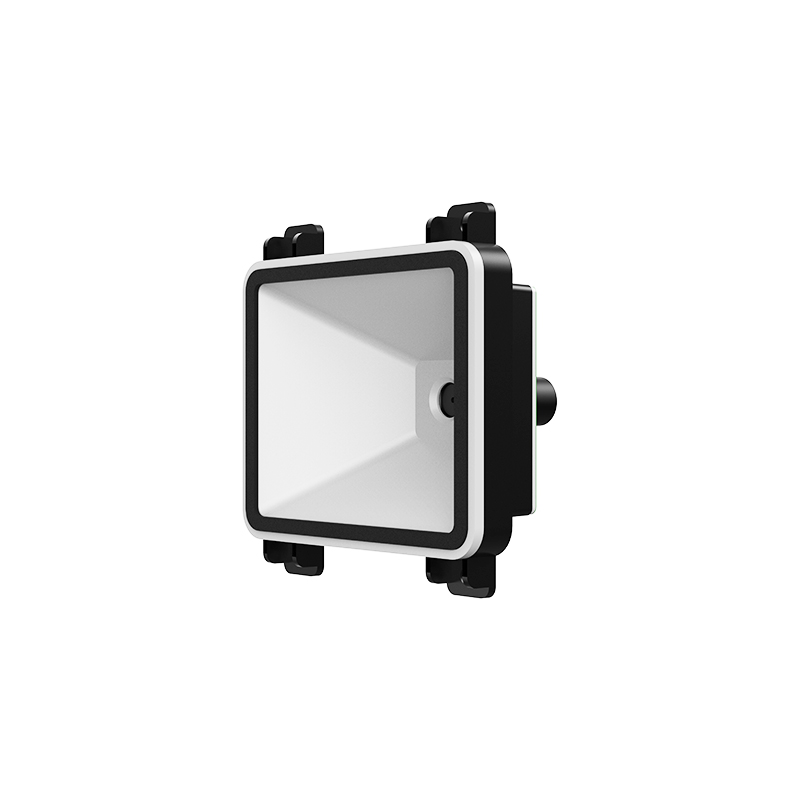
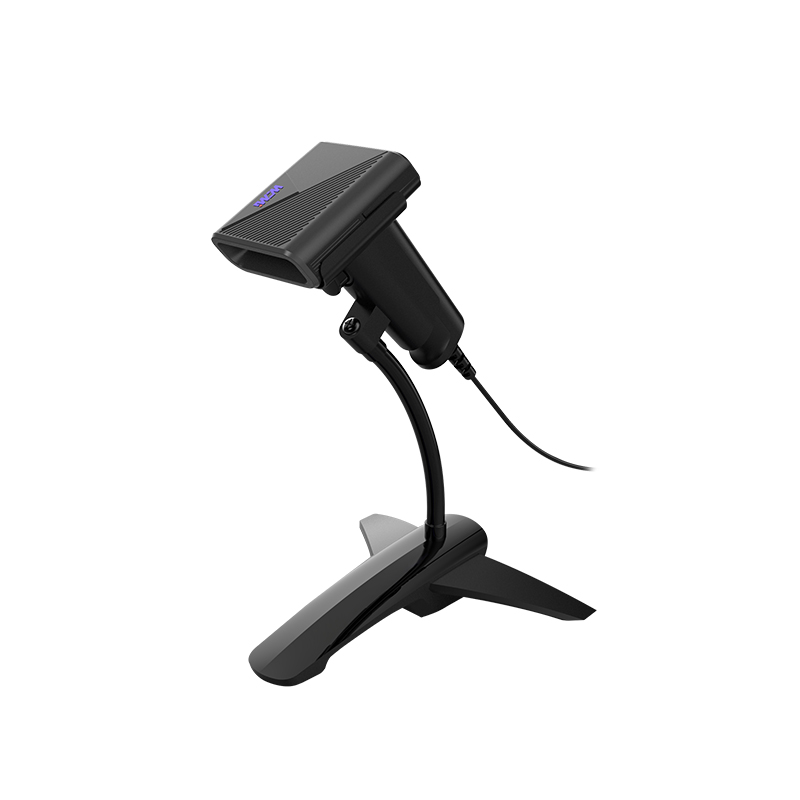
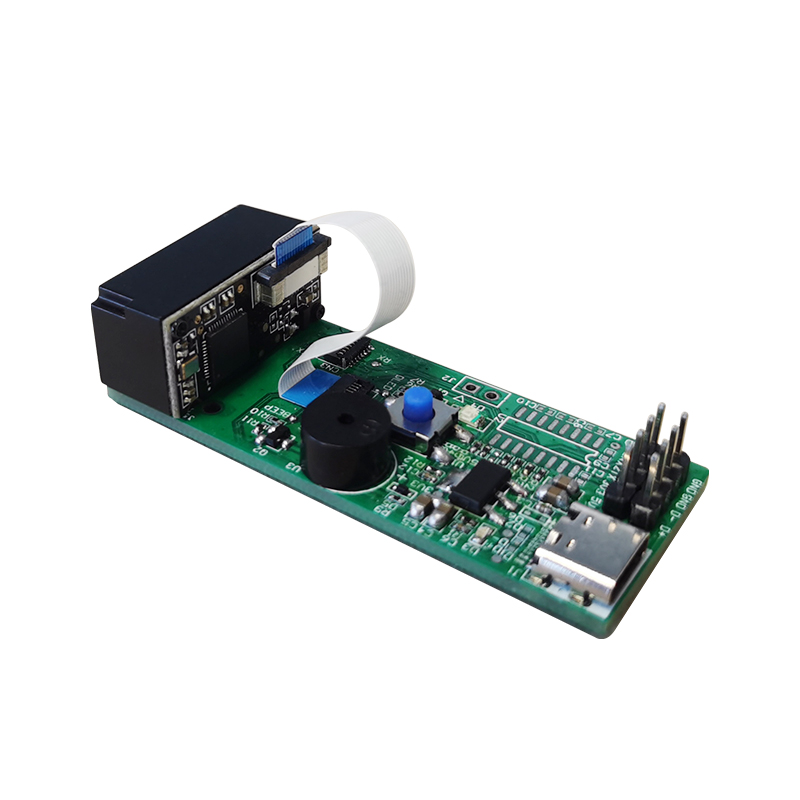
A Barcode Scanner Engine is the optical and electronic module inside a handheld scanner, fixed-mount reader, mobile computer, or industrial automation device. It captures a 1D or 2D barcode, processes the image, and outputs decoded data to a control system. In warehouses, manufacturing lines, and logistics operations, a ruggedized barcode scanning engine can support faster traceability, reduce manual keying errors, and enable 100% inspection or identification of products moving through a process. For businesses, the value is measurable: fewer mispicks, better WIP visibility, and faster material flow.

Industrial operations depend on accurate data collection at the point of activity. A barcode may identify a raw material, pallet, work order, serial number, tool, or finished product. When the code is scanned automatically, the decoded data can be transferred to a warehouse management system (WMS), manufacturing execution system (MES), enterprise resource planning (ERP) platform, or programmable logic controller (PLC).
This creates a digital link between the physical item and the production or logistics record. The result is more reliable traceability from receiving to shipment.
Early laser scanners were effective for clean, high-contrast 1D barcodes, but they were limited when labels were damaged, codes were stacked, or products moved in multiple orientations. Image-based 2D scan engines changed this by using a CMOS sensor and decoding software to read symbols such as QR Code, Data Matrix, PDF417, and GS1 DataMatrix.
As Industry 4.0 expanded, barcode reading became part of a larger industrial identification system. Modern equipment must work with edge controllers, Ethernet-based networks, serial communication, USB, and factory software. It must also tolerate vibration, dust, temperature variation, glare, and repeated handling.
Therefore, the question is not simply whether a Barcode Scanning Engine can decode a symbol. The more useful question is whether the complete reader assembly is suitable for the application’s environmental, optical, mechanical, and integration requirements.
Yes, industrial-grade barcode scanner engines are suitable for many industrial environments, provided the selected model and enclosure match the operating conditions. A bare OEM engine designed for indoor equipment should not automatically be installed beside a machining center, on a dusty conveyor, or in a washdown area.
Suitability depends on five factors:
| Industrial condition | What to verify in the Barcode Scanning Engine system | Recommended evaluation |
|---|---|---|
| Dust and debris | Sealed enclosure, lens protection, suitable IP rating, and contamination tolerance | Test with representative dust and label conditions; confirm IEC 60529 protection claims |
| Water or washdown | Ingress protection, gasket design, cable glands, and chemical compatibility | Use an IP-rated assembly; do not infer washdown suitability from the engine alone |
| Vibration | Rigid mounting, connector locking, optical alignment, and shock resistance | Use an IEC 60068-based vibration and shock test plan |
| Temperature changes | Operating temperature, condensation risk, heater or thermal management needs | Test cold start, continuous operation, and thermal cycling |
| Reflective materials | Polarizing filters, exposure control, illumination angle, and decoder performance | Test metal, foil, glossy plastic, and curved surfaces at production speed |
| Fast-moving items | Frame rate, exposure time, trigger timing, and motion tolerance | Measure read rate at the actual conveyor speed and distance |
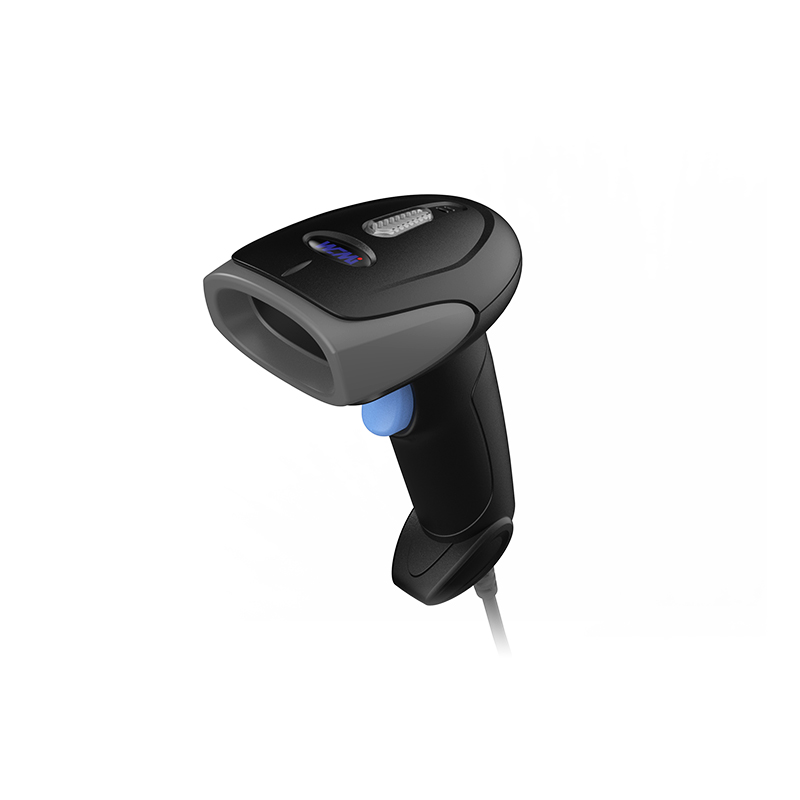
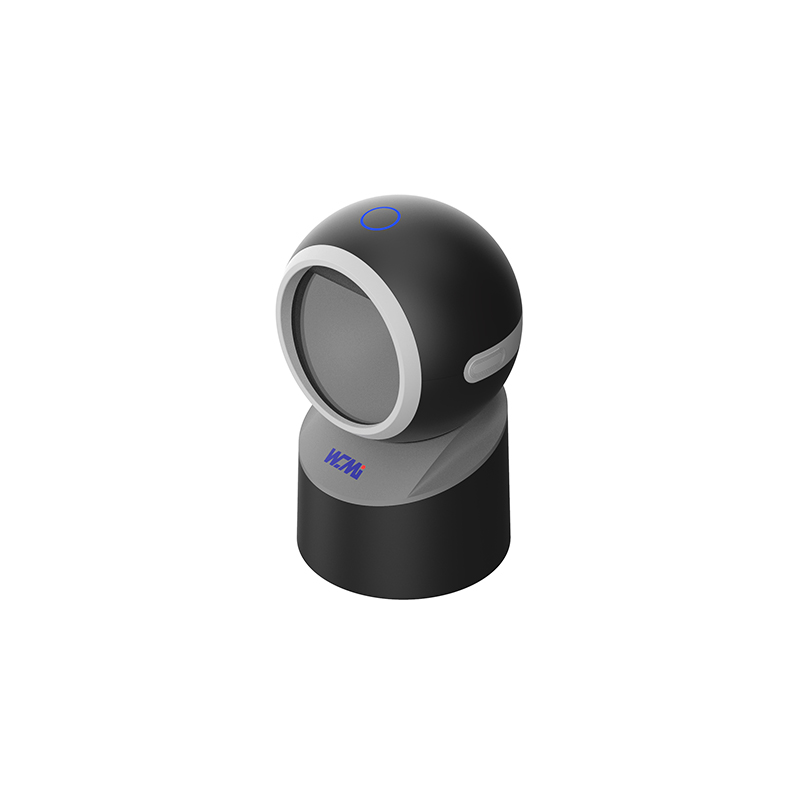
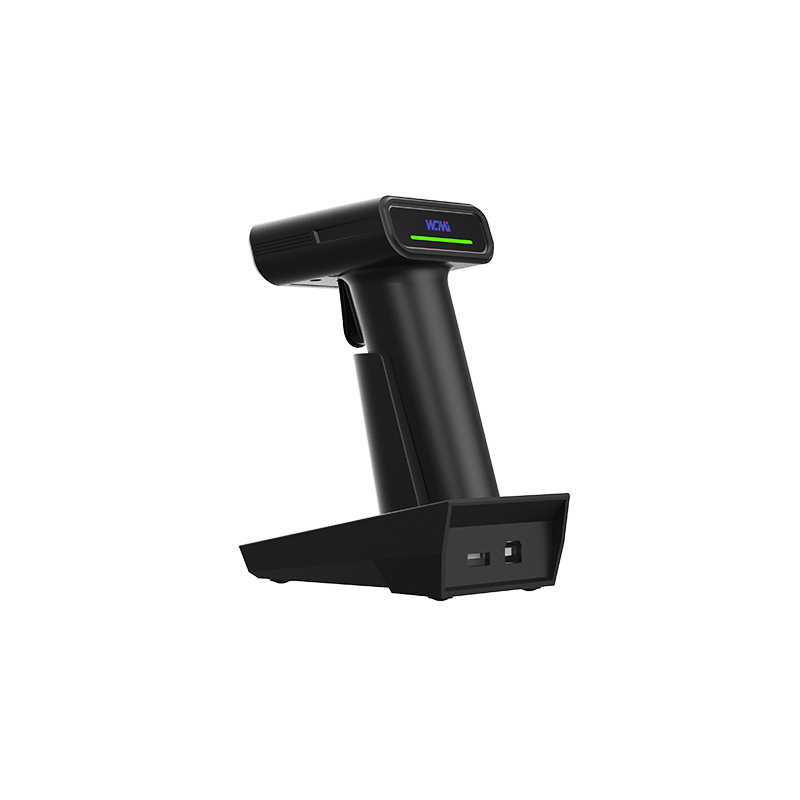
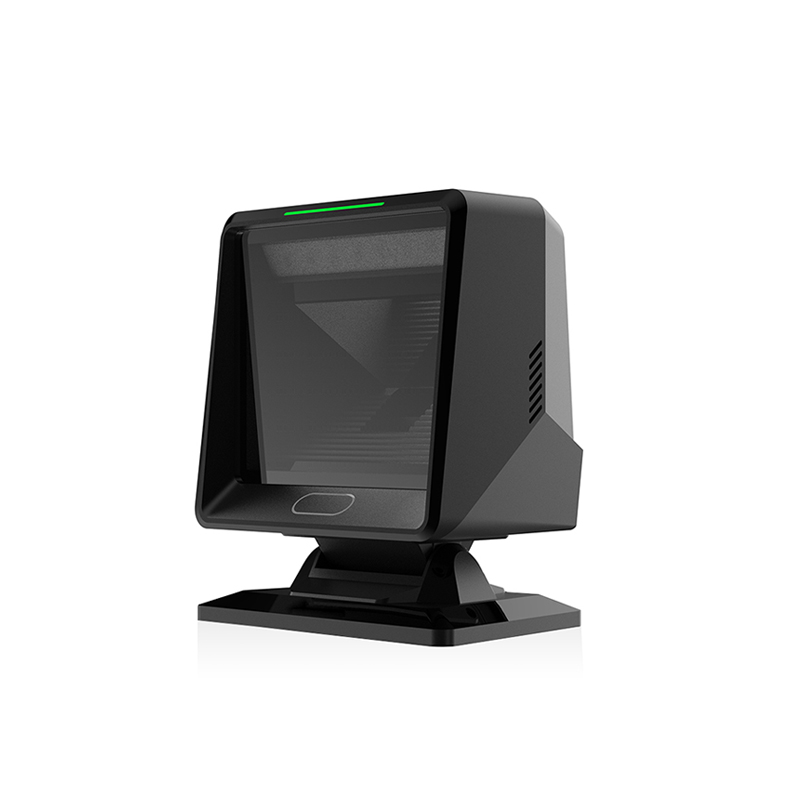
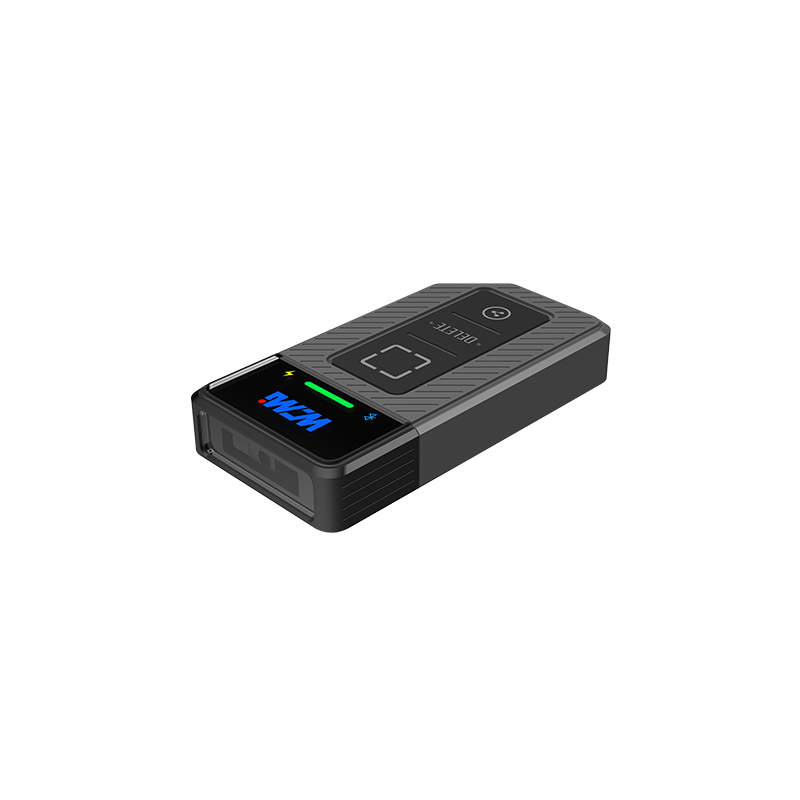
WCMI solutions should be evaluated as part of a complete industrial identification architecture rather than as an isolated imaging component. A suitable WCMI Barcode Scanner Engine may be integrated into fixed-mount readers, handheld products, smart terminals, kiosks, robotic equipment, or custom OEM devices.
When reviewing a WCMI model, procurement and engineering teams should request a technical datasheet and confirm:
For quality-critical applications, WCMI and the system integrator should also define acceptance criteria before production. A practical specification may include a minimum read rate, maximum no-read rate, allowable latency, and verification of every required code type.
A 2D imager can decode more symbol types than a traditional laser scanner, but decoding capability does not prove resistance to dust, vibration, chemicals, or water. The enclosure, lens window, mounting system, cable assembly, and thermal design determine the durability of the final product.
Resolution is only one part of optical performance. Illumination, focus, exposure, symbol quality, working distance, motion blur, and decoding algorithms can have a greater effect on the no-read rate. A lower-resolution sensor with the correct optics may outperform a higher-resolution sensor in a controlled application.
IP67 is an enclosure-level rating tested under defined conditions. An OEM engine installed inside an improperly sealed housing does not become IP67 simply because the product description mentions IP67 compatibility. Ask for the rating of the complete assembled device and its test conditions.
Scanning answers, “Can the reader decode this symbol?” Barcode verification evaluates print quality against a recognized grading method. For quality control, teams may need ISO/IEC 15415 for 2D symbols or ISO/IEC 15416 for linear barcodes, together with application-specific requirements. ASTM or DIN methods may also apply to the material, abrasion, or environmental testing of labels and components. The relevant standard must be selected according to the product and industry.
Laboratory testing is useful, but production validation should reproduce actual label stock, ink, surface finish, conveyor speed, vibration, lighting, temperature, and operator behavior. A pilot installation is often the best way to verify the real no-read rate.
Record the barcode symbologies, symbol dimensions, print quality, label orientation, surface material, and whether the code is printed or marked directly onto the part. Include the smallest element width and the largest expected code.
Document the scanner-to-code distance, field of view, conveyor speed, part spacing, ambient light, and available mounting space. If the reader must scan from several positions, specify the full depth of field instead of relying on a single demonstration distance.
Identify dust, oil mist, coolant, water spray, cleaning chemicals, vibration, impact, static electricity, and temperature extremes. Select the protection level for the complete assembly, not only for the internal Barcode Scanner Engine.
Use production labels and difficult samples, including wrinkled, scratched, faded, glossy, curved, and partially contaminated codes. Measure the read rate over a statistically meaningful sample instead of judging performance from a few successful scans.
Confirm data formatting, trigger timing, handshake signals, error handling, duplicate-read suppression, and PLC or MES integration. Industrial reliability includes correct data delivery, not just successful decoding.
A commissioning plan may specify 100% code inspection, a defined maximum no-read rate, alarm behavior, cleaning intervals, spare-unit requirements, and escalation procedures. For critical lines, ask whether the supplier offers remote diagnostics and a 24-hour response process.
Consider an automotive supplier that must identify a Data Matrix code on metal components moving at 1.2 m/s. The parts have a slightly reflective surface, and the code may be rotated by up to 30 degrees. Operators need the serial number in the MES before the next assembly station.
An appropriate evaluation would include:
If the system achieves the project’s defined read-rate target and correctly records serial data, the Barcode Scanning Engine becomes part of a traceability control point. If failures occur only on oily or highly reflective parts, the solution may require improved marking quality, lens cleaning, altered lighting, or a revised mounting position rather than a different decoder alone.
Before approving a WCMI solution, ask focused technical and commercial questions:
A Barcode Scanner Engine is suitable for an industrial environment when its optical performance, mechanical design, enclosure, communication interface, and lifecycle support match the real application. WCMI products can be considered for factory automation, warehouse logistics, traceability, robotics, and inspection systems, but the final decision should be based on documented specifications and production-equivalent testing.
In short, do not select a scanner only because it reads a barcode on a clean sample. Define the environmental conditions, verify applicable IEC 60529 and IEC 60068 testing, distinguish scanning from ISO/IEC barcode verification, and measure the read rate at production speed. By following this process, businesses can use a rugged Barcode Scanning Engine to improve data accuracy, support 100% inspection, and build a more dependable industrial automation system.
HOT PRODUCTS
It has a perfect customer response mechanism in 24 hours to provide you with first-class after-sales service.
Quick Links
Quick Links
Contact Us
Tel.: +86 22 6621 1296
Email: liu_y@wavecreating.com
Add.: No19 Xinhuanxi Road, Teda, Tianjin, China
Fax: +86 022 6621 1296
Whatsapp: 86 18522521070