Oct. 15, 2026
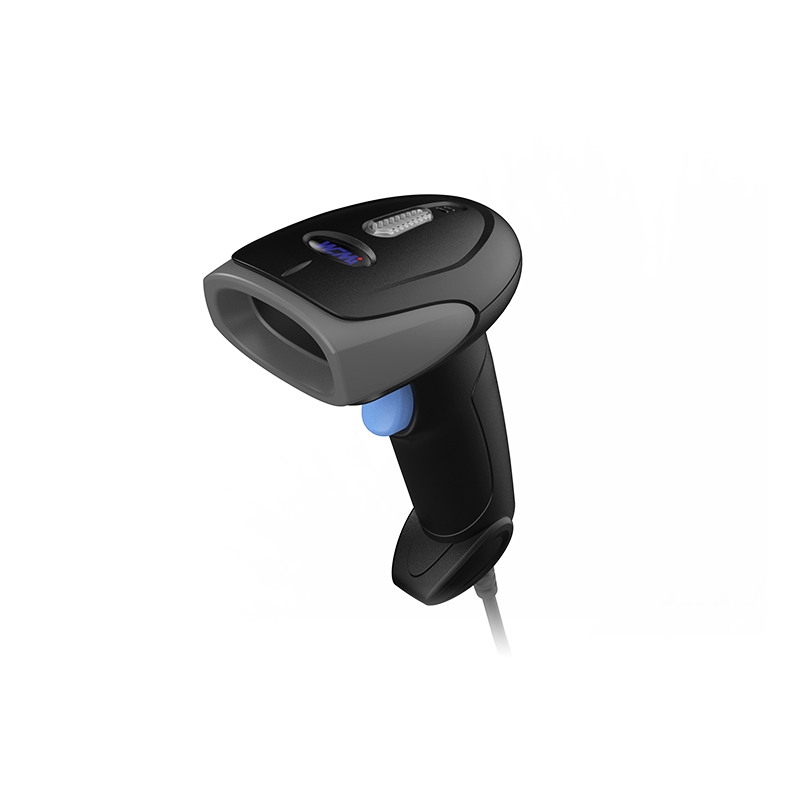
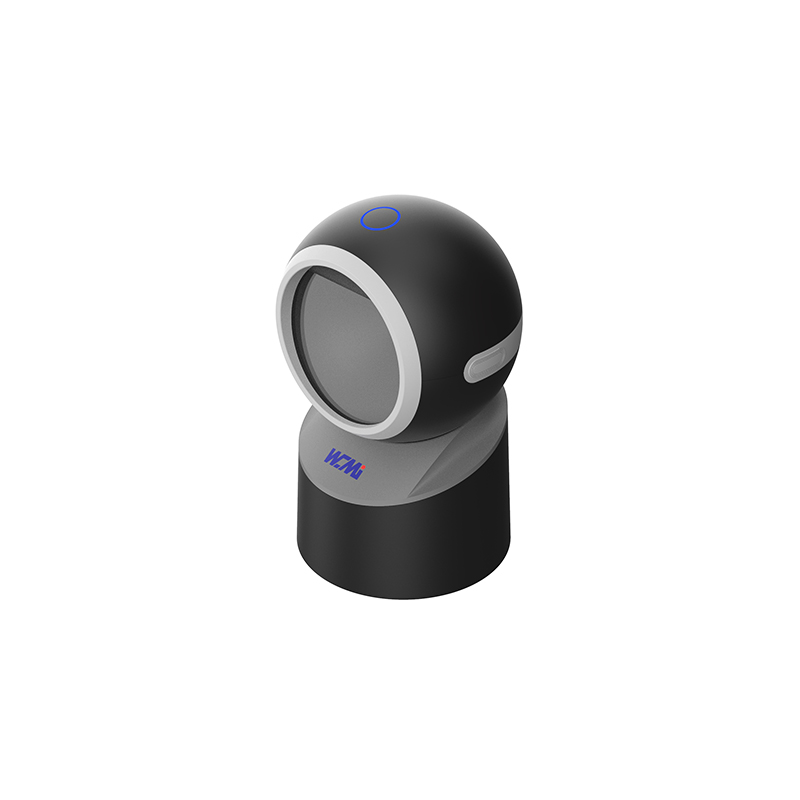
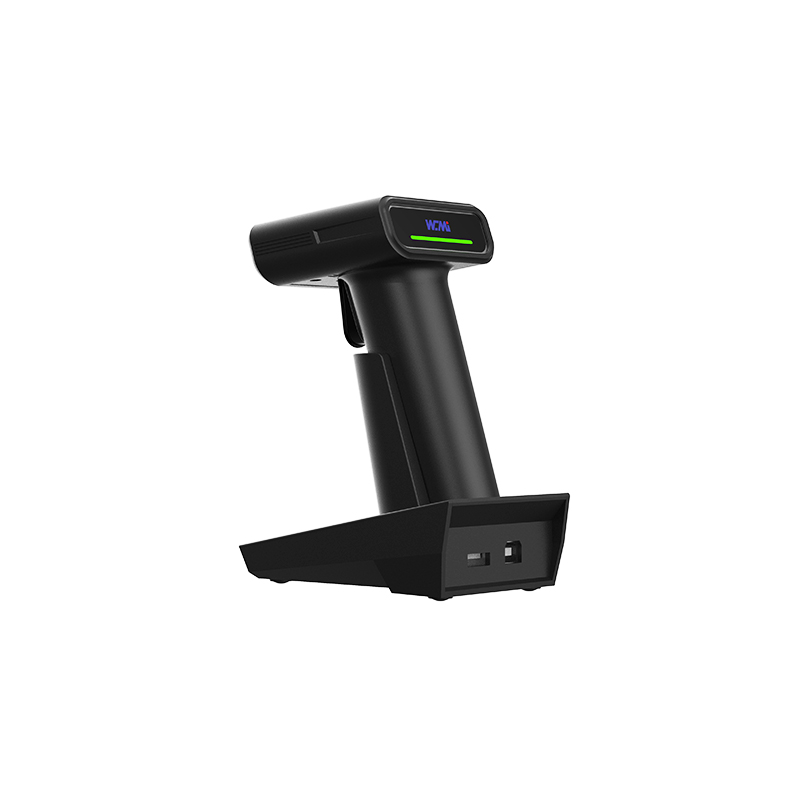
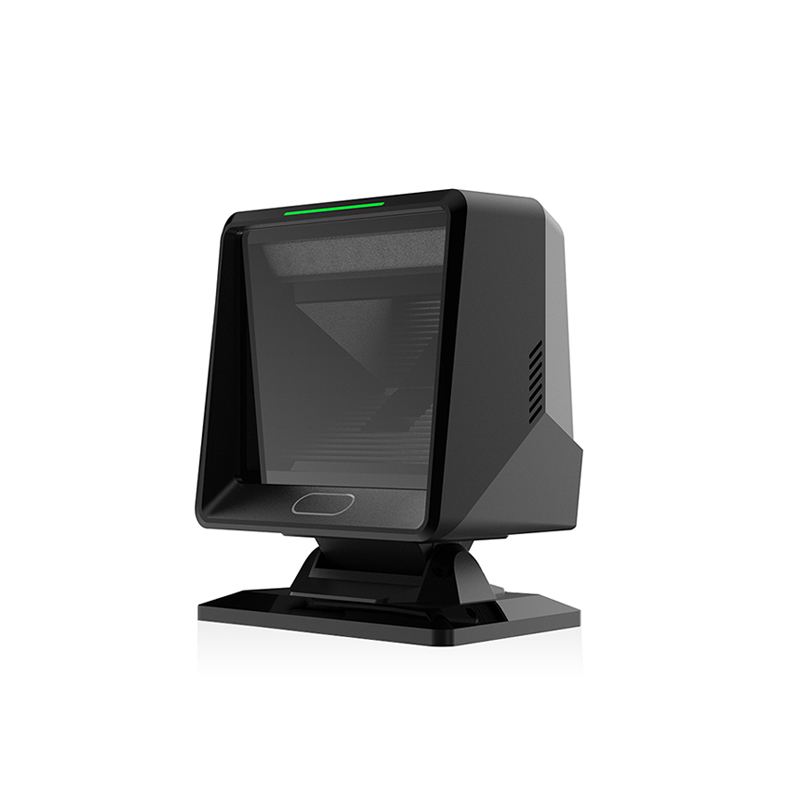
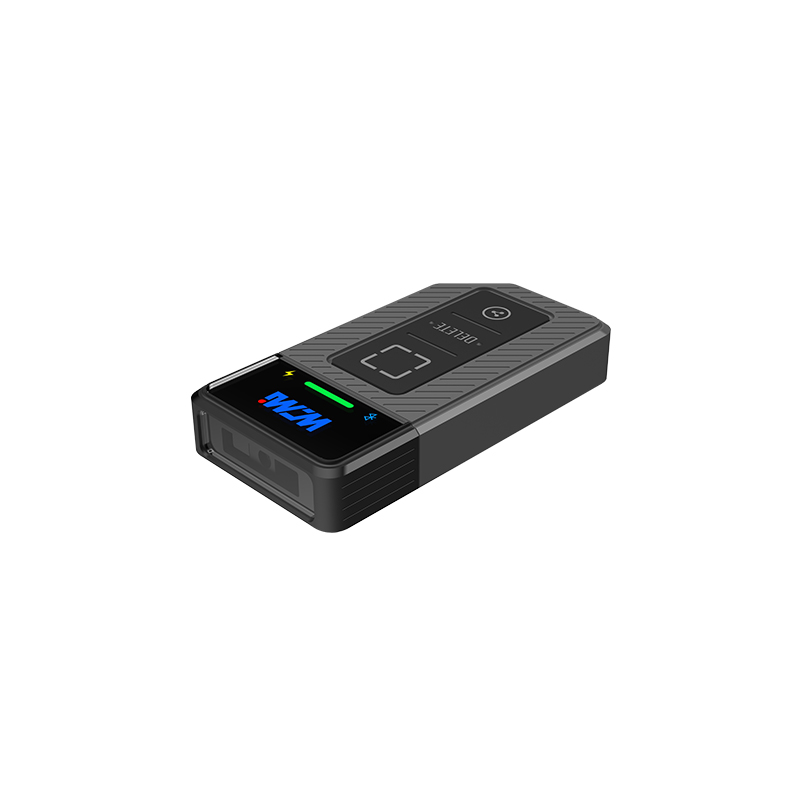
Custom Barcode Scanner Housing, Logo and Packaging Options means adapting a barcode scanner’s enclosure, brand identity, and retail or shipping package to a company’s technical and marketing requirements. WCMI can help businesses develop a Custom Barcode Scanner with a specified housing geometry, logo treatment, material, color, labeling method, and packaging configuration. This creates a scanner that is easier to recognize, better suited to its working environment, and consistent with the customer’s brand.
For distributors, OEMs, POS equipment manufacturers, warehouse solution providers, and healthcare technology companies, customization can improve product differentiation and simplify deployment. A well-designed Custom Barcode Scanner Housing, Logo and Packaging Options project should address mechanical fit, ergonomics, scan-window protection, drop resistance, regulatory labeling, packing efficiency, and total cost—not only appearance.

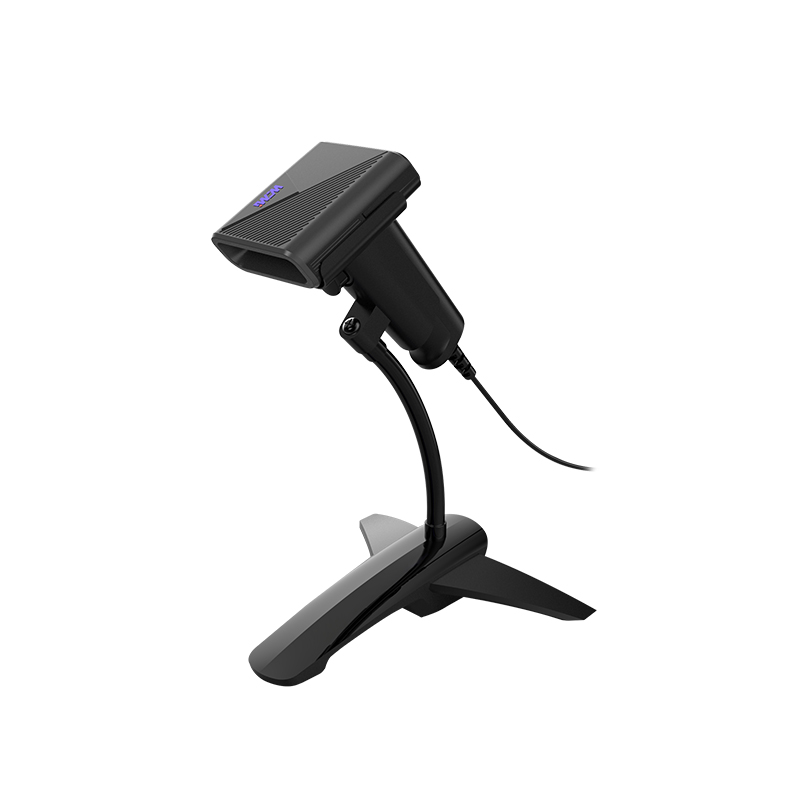
A barcode scanner enclosure is more than a plastic shell. It is an engineered assembly that protects the scan engine, PCB, trigger mechanism, battery, cable, and communication interface. WCMI’s customization process can be structured around the following options:
The best configuration depends on the operating environment. A retail scanner may prioritize visual branding and fast countertop access, while a warehouse scanner may require impact-resistant materials, an anti-slip grip, glove-friendly controls, and a package designed for international distribution.
In a crowded OEM market, a generic scanner can be difficult to distinguish from competing products. A branded housing, consistent Pantone color, and professionally applied logo create a recognizable product family. This is especially valuable when a scanner is installed at a checkout counter, warehouse workstation, pharmacy, library, or self-service kiosk.
Housing design influences how frequently an operator experiences hand fatigue, accidental trigger activation, or poor scanning angles. During design review, engineers should evaluate grip diameter, center of gravity, trigger travel, cable routing, finger clearance, and access to service components.
For example, a customer scanning several thousand parcels per shift may need a balanced pistol-grip enclosure, a textured TPE area, and a trigger that can be actuated without excessive force. These details can have a greater operational impact than decorative changes alone.
The enclosure must maintain alignment between the optical scan engine and the scan window. It should also protect electronics from dust, vibration, impact, and handling damage. Depending on the final application, the design may include ribs, bosses, snap-fits, threaded inserts, gaskets, strain relief, and controlled wall thickness.
When a customer requests precision parts, WCMI can use dimensional control targets such as 0.01 mm precision for selected tooling or critical features where the material, process, and tolerance stack permit it. The final tolerance should always be confirmed through a product drawing and design-for-manufacturing review.
Barcode scanning developed from early laser-based systems used in retail and inventory control. As 1D and 2D codes became common in logistics, healthcare, manufacturing, and transportation, scanners evolved from fixed checkout devices into compact handheld and wireless imaging platforms.
Modern devices may support QR codes, Data Matrix, PDF417, GS1 barcodes, damaged-code decoding, Bluetooth communication, USB interfaces, and wireless management software. This development has increased the importance of enclosure engineering. A scanner is now part of a broader system that may include a mobile terminal, warehouse management software, payment equipment, or an industrial automation line.
Consequently, a custom scanner housing must balance optical performance, mechanical durability, manufacturing repeatability, cleaning requirements, and brand presentation. This is why Custom Barcode Scanner Housing, Logo and Packaging Options should be considered during the early product-definition stage rather than added after the electronics are finalized.
Start by documenting where and how the scanner will be used:
These details determine material selection, wall design, sealing strategy, grip texture, button configuration, and packaging protection.
Provide the supplier with the scan engine outline, PCB dimensions, battery size, connector locations, cable bend radius, optical window requirements, and mounting constraints. A 3D CAD file, 2D drawing, existing sample, or reference scanner can accelerate the concept stage.
Important design checkpoints include:
| Logo method | Typical benefit | Key consideration |
|---|---|---|
| Pad printing | Suitable for curved surfaces and multi-color marks | Ink adhesion and chemical resistance must be verified |
| Laser marking | Permanent, high-contrast, and suitable for serialized identification | Appearance depends on resin and laser parameters |
| Screen printing | Effective for larger graphics and simple color layouts | Requires suitable flat or gently curved areas |
| In-mold labeling | Integrated appearance and strong visual consistency | Requires early artwork and tooling planning |
| Molded-in logo | Durable and resistant to abrasion | May require tooling changes and careful draft design |
Artwork should be supplied as vector files whenever possible. Confirm logo dimensions, color references, minimum line width, placement, orientation, and barcode or serial-number requirements before tooling or mass production.
Packaging should protect the scanner without creating unnecessary material cost or shipping volume. WCMI can evaluate a configuration that includes a product carton, internal insert, accessory compartment, protective film, quick-start guide, warranty card, and master carton.
Packaging decisions should consider:
A reliable Custom Barcode Scanner Housing, Logo and Packaging Options program uses measurable acceptance criteria. Depending on the application and customer specification, the validation plan may include:
ASTM and ISTA methods provide useful packaging test frameworks, while DIN or ISO-based dimensional and quality procedures may be incorporated into the inspection plan. The specific standard should match the product category, destination market, and customer quality agreement. WCMI can also establish a control plan with 100% inspection for critical visual, logo, labeling, or functional checkpoints when the project requires it.
Color is only one layer of customization. A complete OEM scanner program may involve enclosure architecture, optical alignment, grip ergonomics, mounting, firmware labeling, logo durability, packaging inserts, and traceability labels.
Sometimes a logo can be printed after molding, but placement and process selection should be reviewed before production. A molded logo, in-mold label, or recessed marking may require tooling modifications. Late changes can affect cost, lead time, surface finish, and validation samples.
Excessive wall thickness can create sink marks, warpage, longer cycle times, and unnecessary weight. Strength is usually improved through a balanced structure involving ribs, gussets, material choice, corner radii, and controlled wall thickness.
Packaging affects the scanner’s survival rate during transportation, the user’s unboxing experience, and the logistics cost. The insert must support the product without pressing the trigger or damaging the scan window. Therefore, packaging should be tested with the final production configuration.
Consider a warehouse technology company selling a standard handheld scanner to regional distribution centers. The original product had a generic black enclosure, a small unbranded carton, and limited space for a charging cable. Operators also reported that the smooth grip became uncomfortable during long shifts.
A revised Custom Barcode Scanner Housing, Logo and Packaging Options plan could include:
The result is not simply a better-looking scanner. It is a product better matched to operator handling, brand positioning, service management, and distribution requirements. The final design would still need customer-approved prototypes and validation testing before release.
A structured workflow reduces redesign risk and helps control the tooling budget.
For efficient communication, prepare a technical package containing 3D CAD data, 2D drawings, logo artwork, color references, barcode requirements, packaging dielines, quality standards, and an annual demand forecast. A supplier should be able to clarify technical questions within 24 hours when complete project information is available.
To receive a meaningful quotation, avoid requesting a price based only on a product photograph. Include the following information:
WCMI can then help determine whether the project is best served by modifying an existing enclosure, creating a new Custom Barcode Scanner Housing, or developing a complete OEM scanner package.
Custom Barcode Scanner Housing, Logo and Packaging Options combine mechanical engineering, industrial design, branding, quality control, and logistics planning. The most successful projects begin with a clear use environment and end with approved samples, documented tolerances, inspection criteria, and tested packaging.
If your business needs a branded handheld scanner, OEM enclosure, durable warehouse device, or complete retail package, explore WCMI’s Custom Barcode Scanner Housing, Logo and Packaging Options and prepare your technical requirements for a design and manufacturability review.
HOT PRODUCTS
It has a perfect customer response mechanism in 24 hours to provide you with first-class after-sales service.
Quick Links
Quick Links
Contact Us
Tel.: +86 22 6621 1296
Email: liu_y@wavecreating.com
Add.: No19 Xinhuanxi Road, Teda, Tianjin, China
Fax: +86 022 6621 1296
Whatsapp: 86 18522521070