Oct. 22, 2026
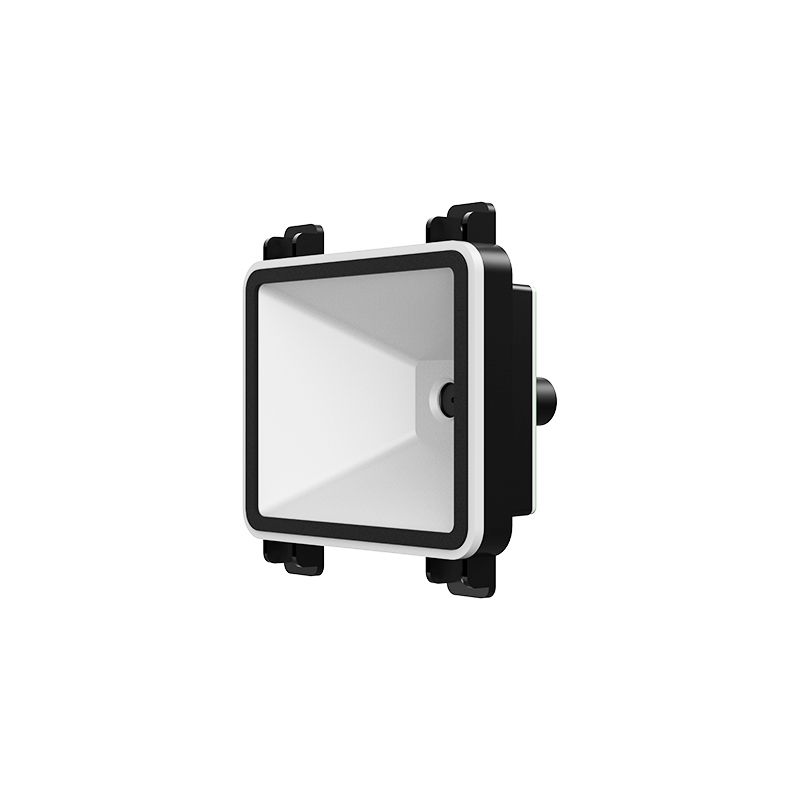
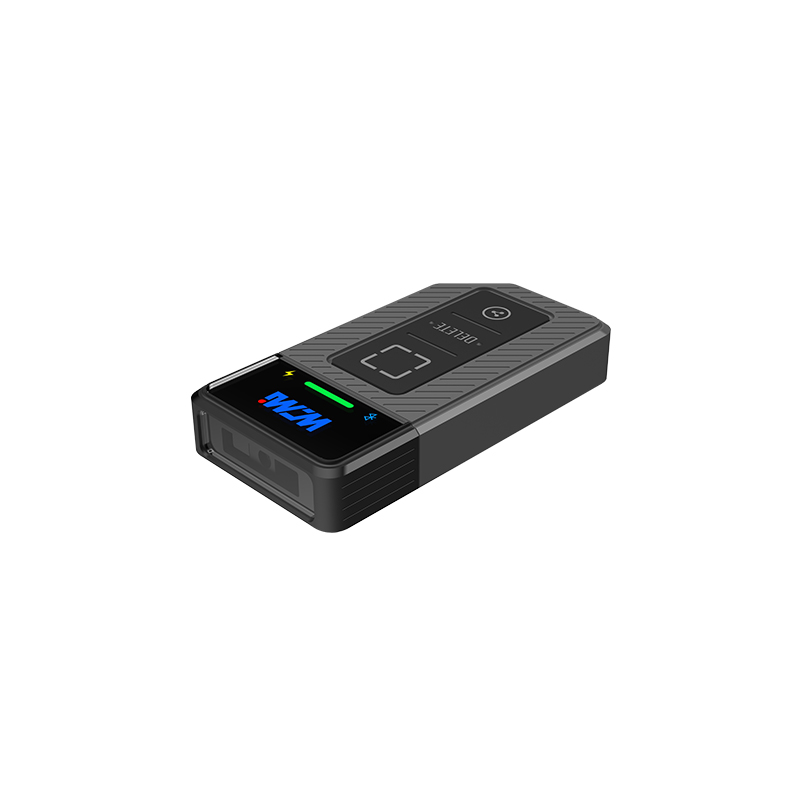
Can barcode scanner engines be customized? Yes. A Barcode Scanner Engine is the optical and electronic module inside a handheld scanner, mobile computer, POS terminal, kiosk, or industrial device that captures and decodes barcodes. Customization can include the scan window, illumination, lens, decoder firmware, connector, housing, mounting position, trigger behavior, and communication interface. For businesses, a customized Barcode Scanner Engine can improve read rates, reduce integration work, support difficult barcode labels, and optimize the device for retail, logistics, healthcare, manufacturing, or transportation environments.

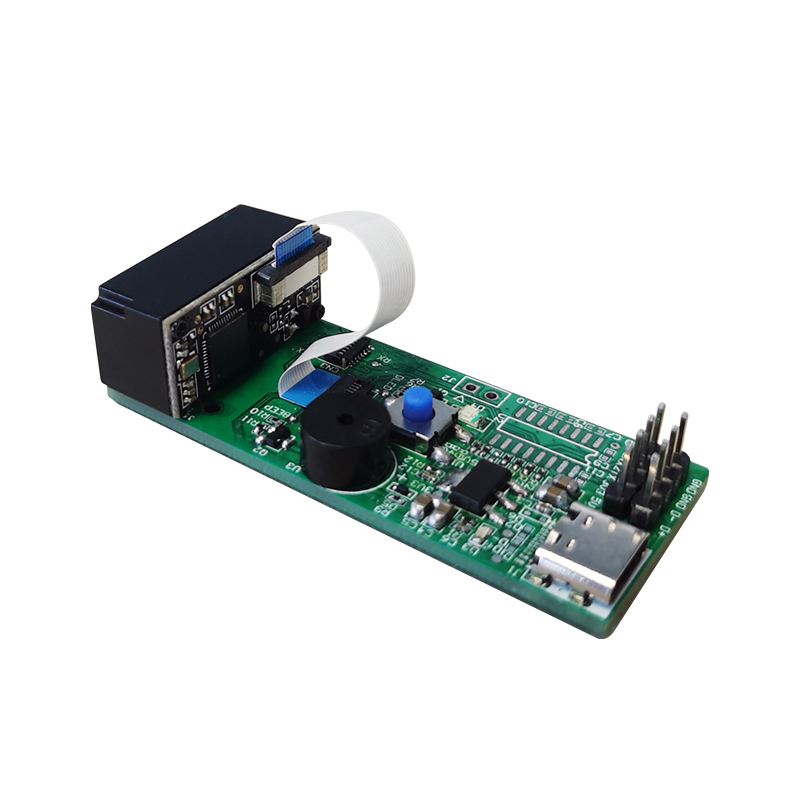
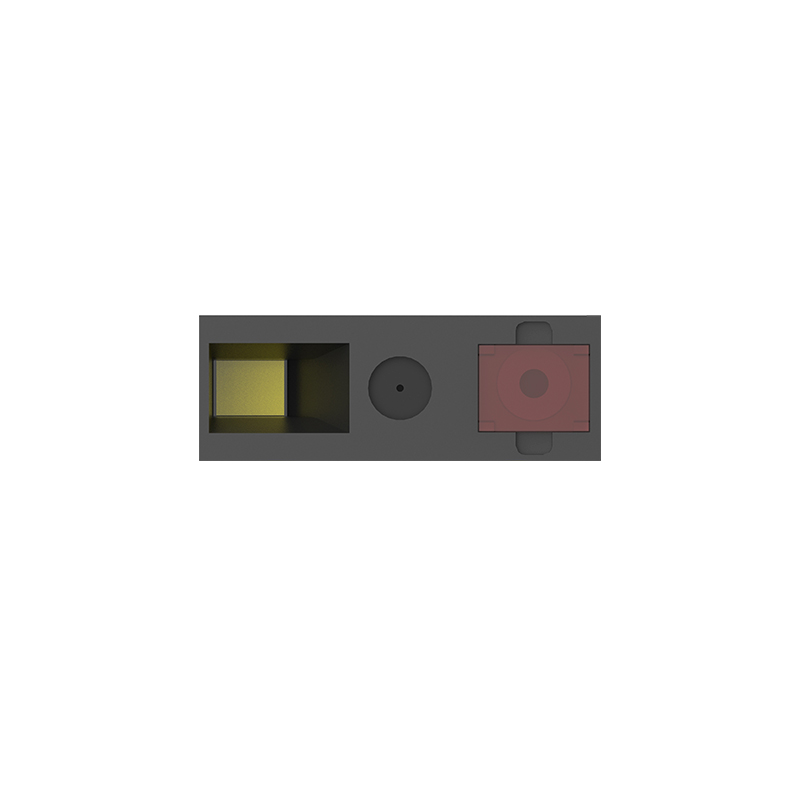
A Barcode Scanning Engine is the core scanning module that converts reflected light or camera data into usable barcode information. Depending on the design, it may use laser scanning, linear imaging, or 2D area imaging technology.
Most modern engines include several integrated components:
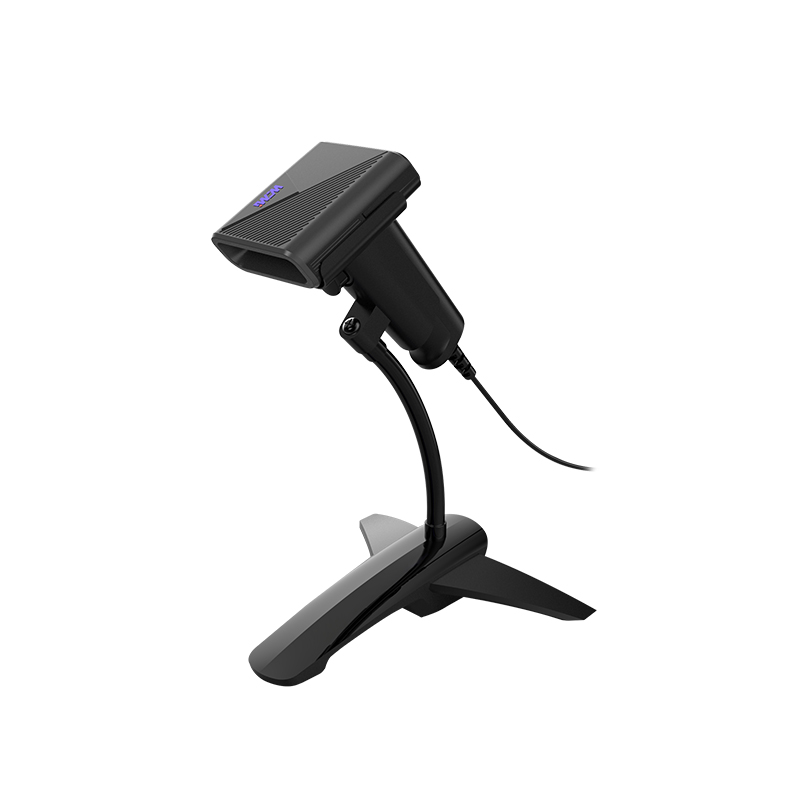
In practical terms, the engine is not the same as the complete scanner. The engine is the embedded scanning subsystem, while the finished scanner also includes a shell, trigger, battery, display, processor, and application software.
Standard modules are useful for general applications, but they may not fit every product design. A logistics terminal may require long-range scanning, while a medical device may need a compact module with a sealed front window. A retail kiosk may require a specific scan angle and a flush-mounted optical window.
Customization can create value in several ways:
For an original equipment manufacturer, the best Barcode Scanning Engine is not always the one with the highest theoretical specification. It is the one that delivers stable decoding performance within the product’s available space, power budget, operating temperature, and software architecture.
Barcode technology began with one-dimensional symbols designed to represent product and inventory data. Early laser scanners were widely adopted in supermarkets and distribution centers because they could rapidly read linear barcodes without requiring a camera image.
As supply chains became more information-intensive, 2D imaging engines became increasingly important. A 2D imager can capture a full image and decode both one-dimensional and two-dimensional symbols. This supports applications such as:
Today, scanner-engine development combines optical engineering, embedded systems, image processing, mechanical design, and regulatory validation. Manufacturers such as WCMI can use this multidisciplinary approach to adapt a module to a customer’s equipment rather than forcing the customer to redesign the entire product around a standard engine.
The optical path can be adapted for near-field, standard-range, or extended-range scanning. Engineers may adjust the focal distance, field of view, depth of field, lens configuration, and illumination intensity.
For example, a production-line application may require a working distance of 300 mm, while a handheld healthcare device may prioritize fast scanning at 50–150 mm. Some projects also specify optical alignment tolerances as precise as 0.01 mm, depending on the enclosure and mechanical stack-up.
LED wavelength, brightness, diffuser design, and aiming patterns can be changed to match the label material and user environment. A red or white illumination system may be suitable for ordinary paper labels, while reflective packaging or direct-part marking may require a different optical strategy.
When the engine includes high-intensity LEDs or laser components, product teams should evaluate photobiological safety under applicable requirements, such as IEC 62471 for lamp and LED photobiological safety. Laser-based configurations should also be reviewed against the relevant laser safety classification requirements.
Firmware customization can enable or disable symbologies, configure data formatting, add prefix or suffix characters, and control decoding behavior. Typical options include:
However, firmware customization should not be confused with creating a new barcode standard. The engine must still decode symbols according to the applicable symbology specification and customer data requirements.
WCMI customization may involve the following integration parameters:
| Customization area | Typical requirement | Business benefit |
|---|---|---|
| Mechanical outline | Custom length, width, height, mounting holes | Fits the existing enclosure |
| Connector and cable | UART, USB, FFC, JST, or custom cable length | Reduces wiring and assembly changes |
| Power profile | Voltage range, sleep mode, startup current | Supports battery-powered products |
| Front window | Glass, coated plastic, or sealed optical window | Improves durability and environmental protection |
| Trigger and indicators | External trigger, buzzer, vibration, LED feedback | Improves operator efficiency |
Where a product operates in dust, moisture, or frequent cleaning conditions, the complete assembly—not only the scan module—should be evaluated for the required ingress protection level under IEC 60529.
Start with the real operating conditions rather than only the desired scan distance. Document:
Choose between laser, 1D linear imaging, and 2D area imaging based on the barcode formats and operating environment. A 2D Barcode Scanning Engine is generally more flexible when the product must read both 1D and 2D symbols, while a linear engine may be appropriate for a focused, cost-sensitive application.
The prototype should be tested inside the actual enclosure. Testing an engine on an open workbench can produce misleading results because the final housing, protective window, bezel, cable routing, and ambient lighting can change optical performance.
At this stage, teams may evaluate:
Barcode quality and scanner performance should be evaluated with recognized methods. Depending on the application, validation may reference ISO/IEC 15415 for 2D symbol quality, ISO/IEC 15416 for linear barcode quality, and GS1 specifications for supply-chain data structures.
Other tests may include:
A reliable quality plan should define measurable acceptance criteria. For example, a project may require 100% functional inspection, a minimum 99.5% first-pass read rate on approved test samples, and a documented 24-hour response target for critical production issues. These figures should be agreed in the technical specification rather than assumed.
After engineering validation, the supplier should produce pilot units using production-intent components and processes. The customer should confirm firmware settings, optical alignment, connector placement, labeling, packaging, and inspection records.
Formal engineering change control is also essential. Changes to the sensor, lens, LED, firmware, or connector can affect decoding performance even when the external appearance remains unchanged.
Not necessarily. Many projects can be completed through firmware configuration, cable changes, mounting modifications, or optical-window adaptation. A new PCB or optical design may be required only when the existing platform cannot meet the performance or mechanical requirements.
Resolution is only one factor. Illumination uniformity, lens quality, motion handling, exposure control, decoding algorithms, symbol contrast, and depth of field also affect performance. A well-tuned sensor with suitable optics can outperform a higher-resolution sensor in a poorly designed optical system.
Read range depends on the X-dimension, print quality, contrast, symbology, surface reflectivity, scan angle, and lighting. A specification measured with a high-quality test symbol should not be treated as a guaranteed range for damaged or low-contrast labels.
Reliability is a system-level result. The host processor, power supply, cable, firmware, protective window, enclosure, and user interface all influence the final product. A customized Barcode Scanner Engine must therefore be verified in the complete device.
Consider a warehouse operator using a handheld terminal to scan Code 128 shipping labels and Data Matrix codes on small components. A standard engine may decode the labels, but the device could suffer from glare, limited space, and operator fatigue.
A customized WCMI solution could specify:
The result is not simply a scanner with more features. It is a scanning subsystem matched to the warehouse workflow, enclosure, operator behavior, and data architecture. That alignment can reduce rescans, improve throughput, and simplify field support.
When evaluating WCMI or another engineering partner, request evidence rather than relying only on a product brochure. A capable supplier should be able to discuss:
Ask for sample test reports that identify the barcode type, X-dimension, print grade, scan distance, illumination condition, and read-rate calculation. This information makes supplier comparisons more objective and supports an auditable quality process.
Yes, barcode scanner engines can be customized at the optical, mechanical, electrical, firmware, and system-integration levels. The right approach begins with application data, proceeds through prototype testing, and ends with production validation against measurable requirements and relevant standards.
For businesses developing embedded scanners, kiosks, POS equipment, medical devices, or industrial terminals, WCMI can be considered as a customization partner for a Barcode Scanning Engine solution. Define the barcode types, operating environment, dimensions, interface, power budget, performance targets, and compliance requirements before requesting a design review. A well-specified project is more likely to deliver stable decoding, predictable manufacturing, and long-term product value.
HOT PRODUCTS
It has a perfect customer response mechanism in 24 hours to provide you with first-class after-sales service.
Quick Links
Quick Links
Contact Us
Tel.: +86 22 6621 1296
Email: liu_y@wavecreating.com
Add.: No19 Xinhuanxi Road, Teda, Tianjin, China
Fax: +86 022 6621 1296
Whatsapp: 86 18522521070