## Understanding QR Code Elevator Access Control
In today’s fast-paced environment, efficient access management is critical, especially in buildings with multiple floors where elevators serve as the primary mode of vertical transportation. QR code elevator access control has emerged as an innovative solution that leverages advanced technology to streamline access and ensure security.
At its core, the QR code elevator access control system works by utilizing unique QR codes generated for individuals or specific access requests. When an authorized user wants to access an elevator, they simply scan their QR code using a mobile device or a designated QR code scanner installed at the elevator entrance. The scanner reads the QR code, transmitting the scan data to an integrated control system that verifies the user's identity and access permissions.
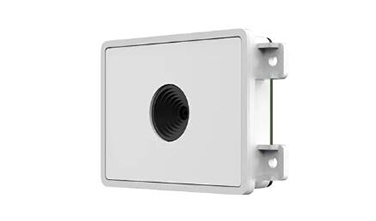
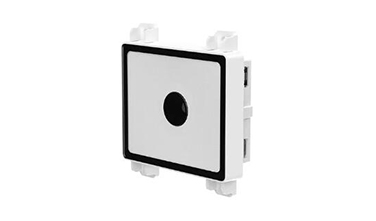
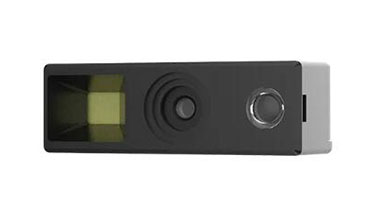
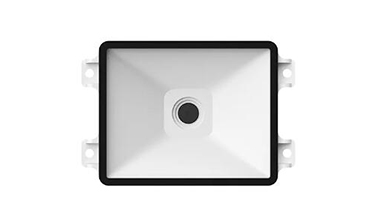
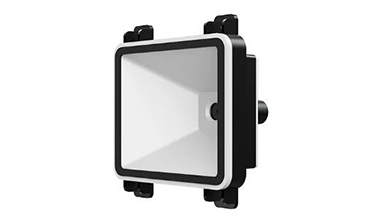
Key components of this system include the QR code generator, scanners, control software, and the elevator control system. The QR code generator creates unique codes based on user credentials. Scanners, often mounted at elevator doors, interpret the QR codes. The control software plays a crucial role in managing user data, permissions, and access logs. Finally, the elevator control system interacts with the existing elevator technology to grant or deny access based on the verification outcome.
The working mechanism is straightforward. When a user scans their QR code, the scanner sends the code information to the control software. This software checks its database to confirm the user’s access rights and whether they are permitted to enter the elevator for that specific floor. If approved, the elevator system activates, allowing the doors to open and the user to enter. This method not only enhances security by ensuring only authorized personnel can access restricted areas but also inhibits unauthorized access.
Advanced technology underpins the efficiency of QR code elevator access control. Real-time data processing ensures swift identification, while cloud-based systems facilitate easy updates and management from remote locations. These features significantly enhance productivity in manufacturing settings, where time is of the essence, and delays due to access issues can impact production.
Practical application scenarios abound. For instance, in a manufacturing facility, employees may need access to specific floors during different shifts. QR codes can be tailored to grant access only during relevant times, ensuring a smarter, safer approach to managing personnel flow. Additionally, in emergency situations, QR codes can function as quick identifiers for emergency personnel, guiding them to the right locations without delay.
In summary, QR code elevator access control is revolutionizing modern manufacturing by marrying convenience with security. If you're looking to improve access management in your facility, contact us to learn how QR code systems can streamline your operations. We can help you find the best suppliers for this advanced technology to enhance your manufacturing processes.

 Industrial barcode scanner engine supplier